


A chipped edge, a small gap between the front teeth, or a stubborn stain that whitening never quite fixed can leave people hesitant to smile in photos or during conversation. These are common concerns, and they rarely require anything as involved as a crown or veneer to correct. Composite bonding is often the simplest way to reshape, repair, or brighten a tooth in a single visit, using a tooth-colored resin that is sculpted directly onto the enamel.
At Harmony Cosmetic Dentistry and Implants, our cosmetic dentistry offerings include composite bonding for adult patients in Magnolia who want a quick, conservative way to refine their smile. We take a comprehensive approach to treatment planning, looking at the full picture of a patient’s oral health before recommending bonding as a stand-alone fix or as one part of a broader cosmetic plan.
Composite bonding uses a pliable resin material that is color-matched to the surrounding teeth, then hardened with a curing light once it has been shaped. Because the material bonds directly to enamel, most cases can be completed without removing significant tooth structure, which makes bonding one of the more conservative options in cosmetic dentistry.
Patients typically consider bonding for chipped or fractured teeth, small gaps between teeth, minor misalignment, or discoloration that has not responded to teeth whitening. It can also be used to lengthen a tooth that appears shorter than its neighbors or to change the shape of a tooth for a more balanced smile line. Because each tooth is evaluated individually, the amount of resin and the shading used will vary from patient to patient.
Bonding is also frequently compared to porcelain veneers, since both can address similar cosmetic concerns. The key difference is that bonding is reversible and requires little to no removal of enamel, while veneers typically involve a thin layer of the tooth being reshaped to accommodate a custom porcelain shell. For patients who want a lower-commitment option, or who are addressing a single tooth rather than a full smile makeover, bonding tends to be the more conservative starting point.
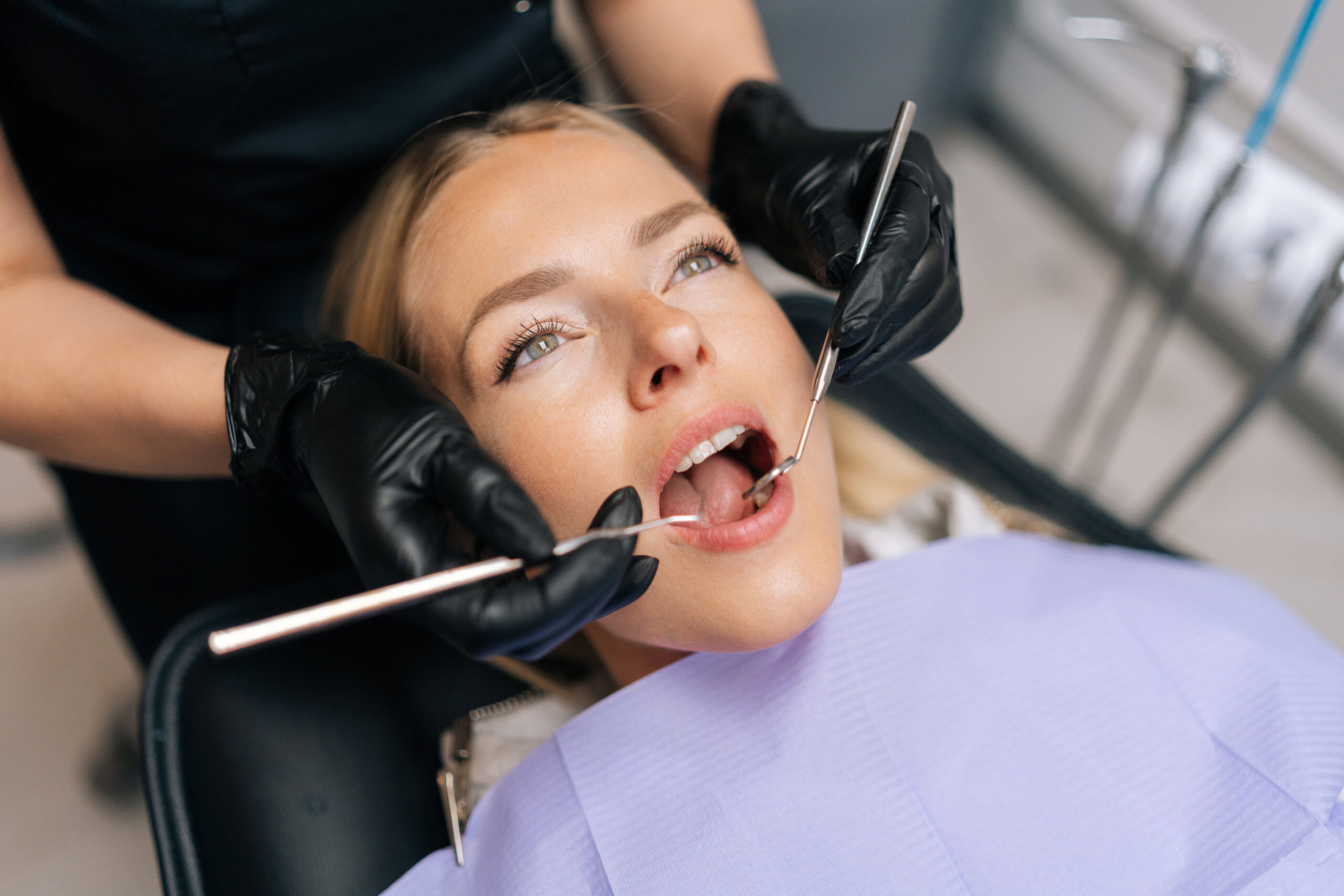
The process generally begins with a brief consultation to review the tooth or teeth involved and confirm that bonding is an appropriate fit for the concern. Once a shade is selected to match the surrounding enamel, the tooth surface is lightly prepared and conditioned so the resin can adhere securely.
The resin is then applied in layers and shaped by hand while still soft, allowing for adjustments to contour and symmetry before it is set. A curing light hardens each layer, and the tooth is polished afterward to blend the texture with the rest of the smile. Most single-tooth bonding can be completed in one appointment, which is part of why many patients choose it over lengthier restorative options like dental crowns.
Because the procedure does not typically require anesthesia unless it is being paired with other work, patients are usually able to return to normal activities the same day. This makes bonding a practical option for patients balancing work schedules or those who are simply looking for a same-day cosmetic improvement without extended downtime.
Composite resin has improved considerably over the past two decades, but it is worth setting realistic expectations about how long a bonded tooth will hold up. A 2025 systematic review published through the National Institutes of Health’s PubMed Central database found that composite resin restorations had a median survival time of around 11 years, compared with a longer median of over 16 years for older amalgam restorations, with secondary decay and material fracture cited as the leading causes when composite work eventually needs attention.
That does not mean bonding is a short-term fix. Longevity depends heavily on how a patient cares for the tooth afterward, including avoiding habits like nail-biting or chewing ice, which can chip the resin edge. Coffee, tea, and red wine can also gradually stain composite resin more readily than natural enamel, so patients who bond a visible front tooth may want to be mindful of these habits in the weeks following treatment.
Routine dental cleanings and exams help our team catch any wear on bonded teeth early, before a small chip becomes a bigger repair. In many cases, a worn or chipped bonded tooth can simply be touched up or re-polished rather than redone entirely, which keeps ongoing maintenance relatively straightforward compared with some other restorative materials.

Composite bonding fits into the broader diagnosis-first approach that guides care at Harmony Cosmetic Dentistry and Implants. Founded by siblings Dr. Haider Alramli and Dr. Reem Alramli, the practice brings periodontal, implant, and general dentistry services together so patients are not shuffled between offices for coordinated care. Our team, including Dr. Alramli, looks at the full context of a patient’s oral health before recommending a cosmetic procedure, which helps ensure bonding is the right tool for the concern rather than a one-size-fits-all default.
For adults in Magnolia and the surrounding Montgomery County communities who are ready to talk about repairing a chip, closing a gap, or brightening a tooth, our team can walk through whether composite bonding makes sense for your smile. You can contact our office to schedule a consultation and discuss your options.

Located in Magnolia, TX
Mon - Sat: 8AM to 5PM Sun: Closed