

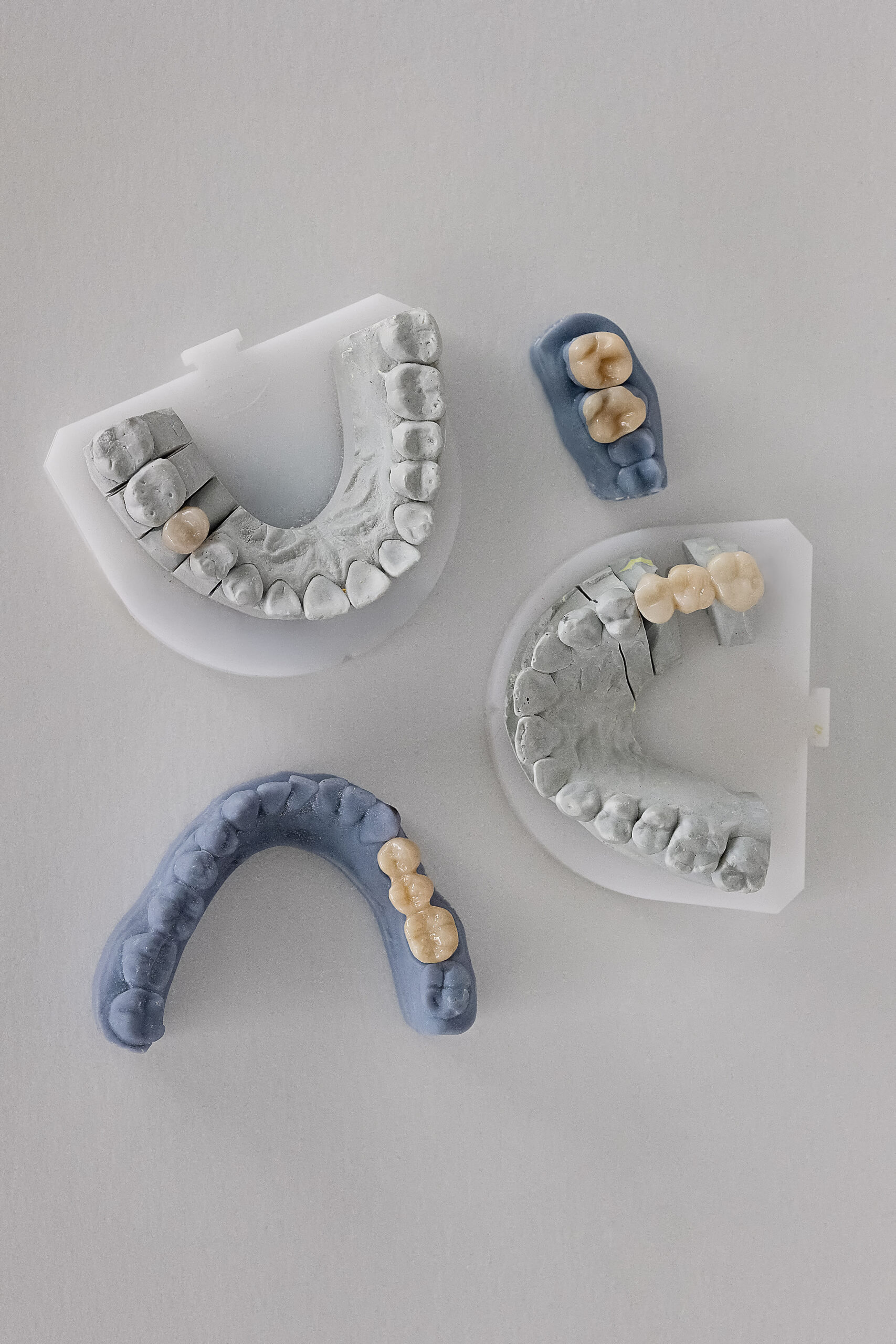
A missing tooth affects more than just your smile. It can change the way you chew, the way you speak, and even how your remaining teeth shift over time.
As part of our general dentistry services, our team places custom dental bridges to fill the gap left behind by one or more missing teeth. A bridge replaces the missing tooth by anchoring a replacement, called a pontic, to the teeth on either side of the gap, which are typically covered with crowns to hold everything securely in place.
Unlike a removable option, a fixed bridge stays in place permanently. It functions much like your natural teeth once it has been placed, restoring your bite and appearance while helping keep your remaining teeth from shifting out of position.
A bridge and a dental implant can both replace a missing tooth, but they take different approaches to get there. A bridge relies on the teeth next to the gap for support, which means those teeth need to be reshaped to hold crowns. An implant, by contrast, is anchored directly into the jawbone, so it does not require altering any neighboring teeth.
The right option depends on factors like the health of your surrounding teeth, whether you have enough bone to support an implant, and how much time you can commit to treatment. Our team can walk you through the steps of a bridge, and if an implant seems like a better fit, we can coordinate directly with our periodontics team since both providers work under one roof.
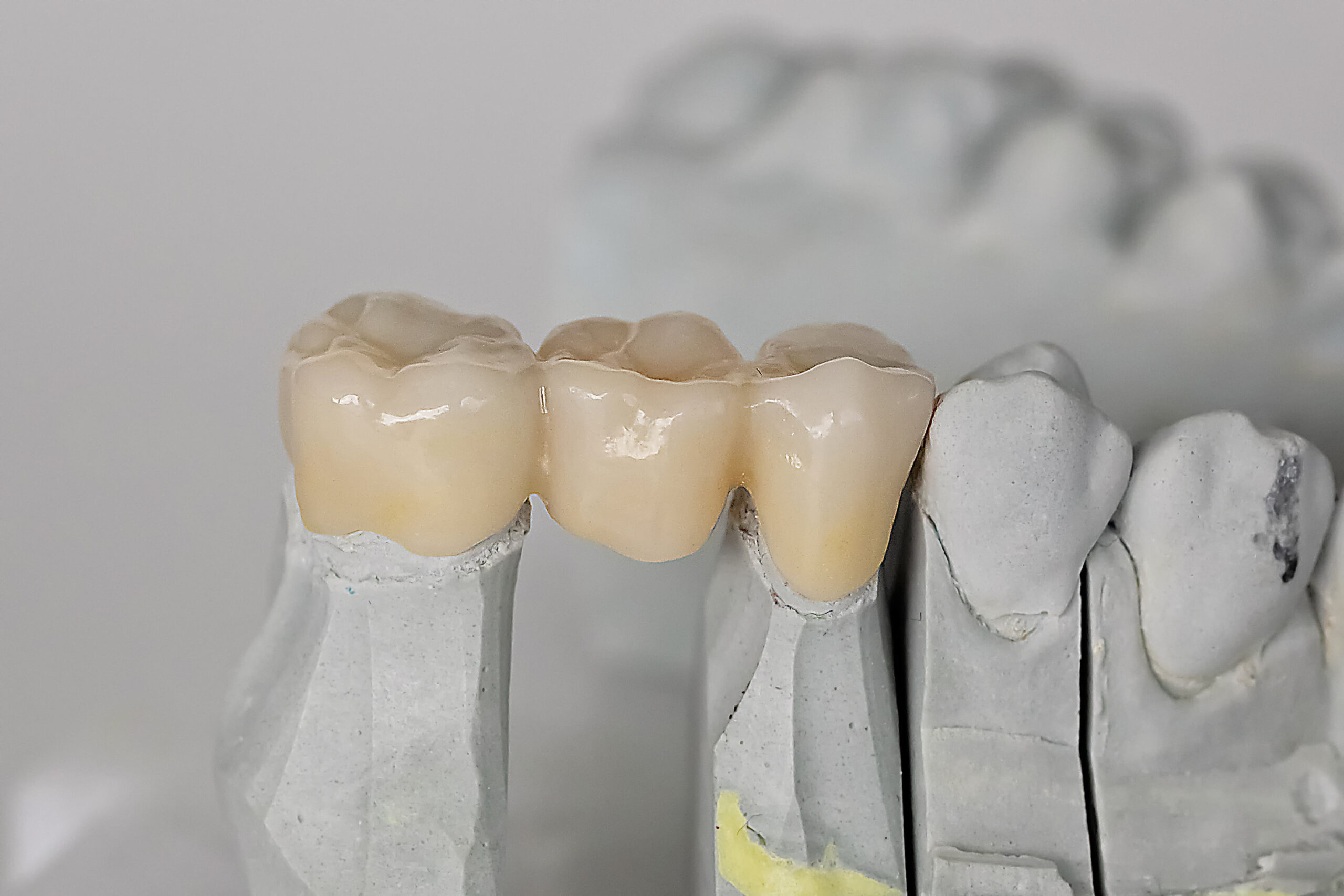
A missing tooth can make it difficult to chew certain foods properly, often shifting more work onto the remaining teeth. A bridge fills the gap so you can bite and chew with more even pressure.
When a tooth is missing, nearby teeth can gradually drift into the empty space over time. A bridge fills that space, helping keep your remaining teeth stable and properly aligned.
Gaps from missing teeth can affect how certain sounds form when you speak. A bridge closes the gap, helping restore a more natural, confident way of speaking.
Getting a bridge typically takes place over two visits, similar to getting a crown. Here is what generally happens along the way.
Dr. Reem numbs the area and reshapes the teeth on either side of the gap so they can support crowns.
An impression or digital scan of the prepared teeth and the gap is taken and used to design a bridge that fits precisely.
While your custom bridge is being made, a temporary bridge is placed to protect the prepared teeth and fill the gap in the meantime.
Once your permanent bridge is ready, you return for a second visit where the temporary bridge is removed and replaced with the finished restoration.
Dr. Reem checks the fit, shape, and color of your bridge, making small adjustments so it blends naturally with your surrounding teeth.
Once everything fits comfortably, the bridge is permanently cemented into place, restoring your bite and closing the gap in your smile.

A missing tooth does not have to be a permanent gap in your smile. A bridge restores your bite and appearance by anchoring a replacement tooth to the teeth on either side of the gap, giving you a natural-looking, long-term solution.
If you are missing one or more teeth and want to explore your options, our team is here to help you find the right solution for your smile. You can contact our office to schedule your visit.
Ready to replace your missing teeth with a dental bridge?
Our Magnolia office is accepting new adult patients. Call us today or book online.
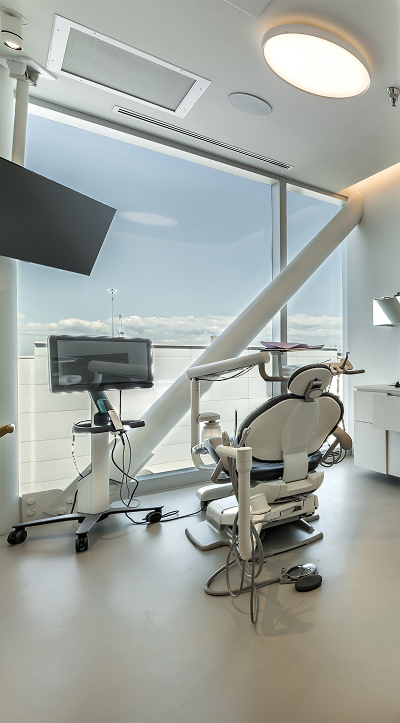

Located in Magnolia, TX
Mon - Sat: 8AM to 5PM Sun: Closed