CALL TODAY

Dental Crowns in Magnolia, TX

Protect a Weakened Tooth From Further Damage

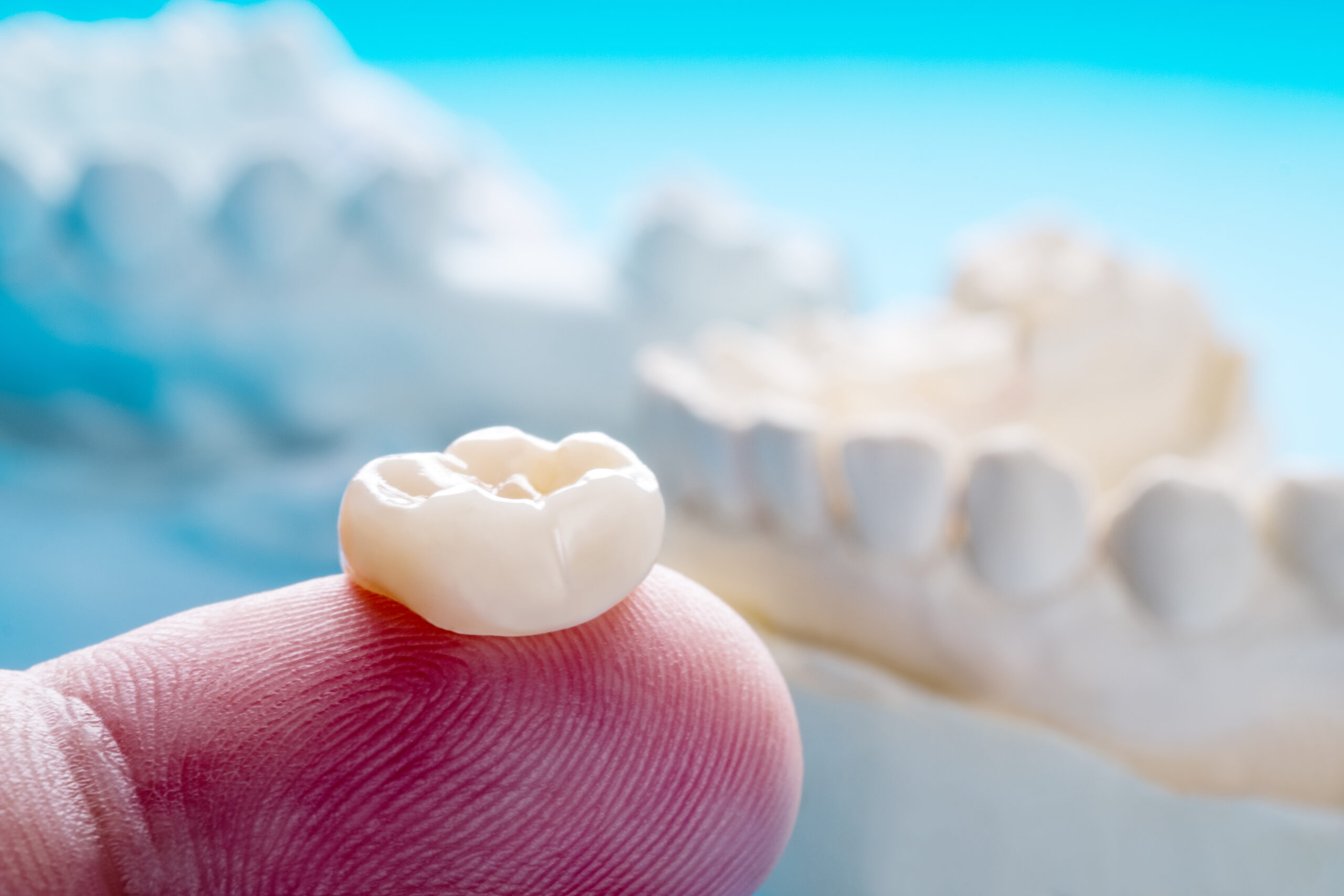
Closeup / Prosthodontics or Prosthetic / Single teeth crown and bridge equipment model express fix restoration.

Dental Crowns to Restore Strength and Function

A tooth that has been cracked, worn down, or weakened by a large cavity does not always need to be extracted. In many cases, the natural tooth can be protected and restored rather than replaced entirely.

As part of our general dentistry services, our team places custom dental crowns to restore a tooth’s strength, function, and appearance. A well-placed crown allows you to keep using the tooth normally while protecting it from further damage.

Crowns After a Root Canal

Once a root canal is complete, the treated tooth is often left more fragile than before, since removing the damaged inner tissue can leave the outer structure prone to cracking. A crown covers the tooth completely, providing the strength and protection needed to keep it functioning normally for years to come.

Dr. Reem offers root canal treatment as part of your care, and a crown is frequently the next step once healing allows. Placing the crown promptly after your root canal helps prevent further damage to the tooth while you continue with your regular oral health routine.

Happy senior man having dental treatment at dentist's office.

Reasons You May Need a Crown

A Cracked or Weakened Tooth

A tooth that has cracked or become structurally weak needs extra support to keep functioning. A crown covers the entire tooth, holding it together and protecting it from further damage.

A Large Filling That No Longer Holds

When a filling covers too much of a tooth, there may not be enough natural structure left to support it. A crown provides the coverage needed to keep the tooth stable and functional.

After a Root Canal

A tooth that has undergone root canal treatment is often more fragile, since the procedure removes damaged tissue from the inside of the tooth. A crown protects the tooth from cracking so it can continue to be used normally.

Crowns vs. Fillings

Not every damaged tooth needs the same type of restoration. Here is how a crown generally compares to a filling:

Amount of Coverage

FILLING

Restores a portion of the tooth

CROWN

Covers the entire visible tooth

Best Used For

FILLING

Small to moderate cavities

CROWN

Extensive damage, cracks, or large fillings that no longer hold

Longevity

FILLING

Can wear down over time

CROWN

Built to withstand greater daily bite force

Portrait of a pleasant senior woman at the dental surgeon

Give a Damaged Tooth a Second Chance

A crown gives a damaged tooth a second chance rather than requiring an extraction. According to the American Dental Association, a crown can strengthen a tooth with a large filling, protect a weak or cracked tooth, or restore one that has already broken, helping you keep your natural tooth in place.

If you have a tooth that feels weak, cracked, or heavily worn, our team can help determine whether a crown is the right solution for you. You can contact our office to schedule your visit.

Ready to protect your tooth with a dental crown?

Our Magnolia office is accepting new adult patients. Call us today or book online.
Frequently Asked Questions About Dental Crowns in Magnolia, TX

A dental crown is a custom-made cap that fits over a damaged, weakened, or restored tooth to protect it and restore its shape and function. Crowns are commonly recommended after a root canal, when a tooth has a large cavity that cannot be adequately restored with a filling, when a tooth is cracked or fractured, or to anchor a dental bridge. They can also be used for cosmetic reasons when a tooth is significantly discolored or misshapen.
Most crowns require two appointments. At the first visit, the tooth is prepared, an impression is taken, and a temporary crown is placed. The permanent crown is custom-fabricated and placed at a second appointment, typically one to two weeks later. Dr. Reem will walk you through the timeline at your consultation.
The tooth preparation is done under local anesthesia, so you should not feel pain during the procedure. Some sensitivity or mild soreness is common in the days following the appointment, particularly around the gum line. Once the permanent crown is placed and your bite is properly adjusted, most patients find it comfortable and natural-feeling.
With proper care, dental crowns typically last 10 to 15 years or longer. The lifespan depends on the material used, your bite, your oral hygiene habits, and whether you grind your teeth. Avoiding very hard foods, keeping up with regular cleanings, and wearing a nightguard if you grind can all help extend the life of a crown.
Yes. Crowns are custom-made to match the color, shape, and size of your surrounding teeth. Modern porcelain and ceramic materials closely mimic the light-reflecting qualities of natural enamel, so a well-made crown is virtually indistinguishable from a natural tooth. Dr. Reem takes care to match the shade before fabrication so the result blends seamlessly.
The crown itself cannot decay, but the tooth underneath still can — particularly at the margin where the crown meets the gum line. This is why regular checkups and good brushing and flossing habits remain important even after a crown is placed. If decay develops at the margin, the crown may need to be replaced.
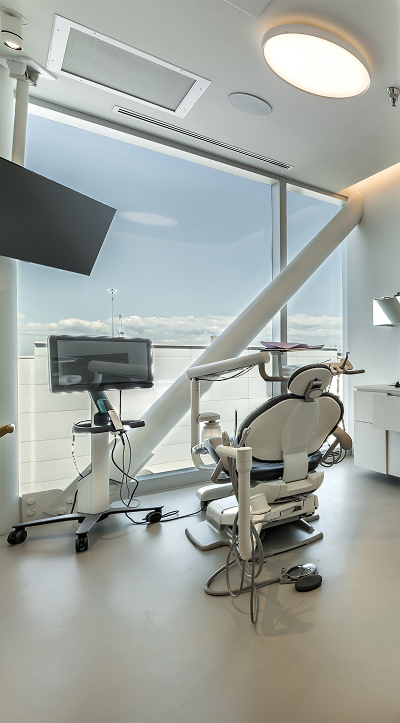
Modern dental treatment room with a chair and city view
Patient checking in at the Harmony Cosmetic Dentistry & Implants reception desk

Ready to Schedule? Here's How to Find Us.

Located in Magnolia, TX